Basic hermetic oil-immersed, or energy-saving 3D core. Do not specify S9 on new greenfield sites.
Yinma Electric · China manufacturer
Transformer Selection Guide
Technical selection from Yinma Electric, a China transformer and switchgear manufacturer — match oil-immersed, dry-type, RMU, and compact substation series to 11 kV and 33 kV projects in Africa.
How to choose on a proposal
Four engineering rules that decide oil-immersed vs dry-type vs amorphous alloy for African utility, industrial, and commercial sites.
No-load loss 70–80% below S11. Malls, schools, and commercial campuses.
Dry-type for fire codes. SCB13-M.RL when buzzing noise is a problem.
NOMEX, 180°C, recyclable. High ambient and heavy cyclic load.
Oil-immersed transformers
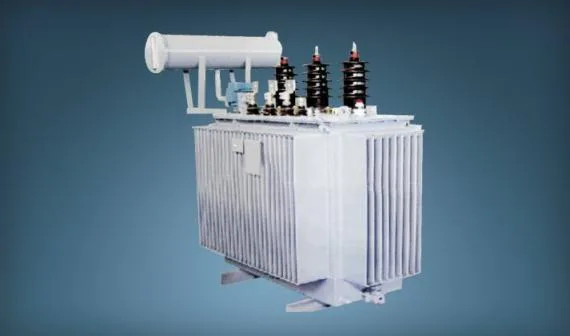
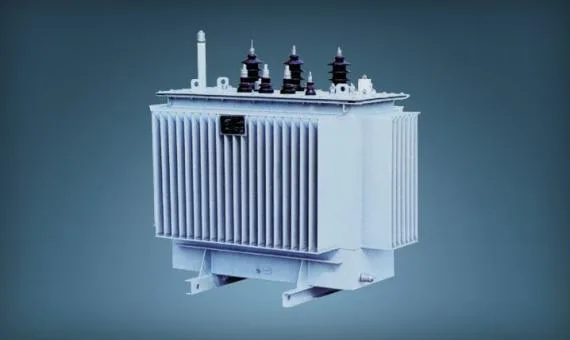
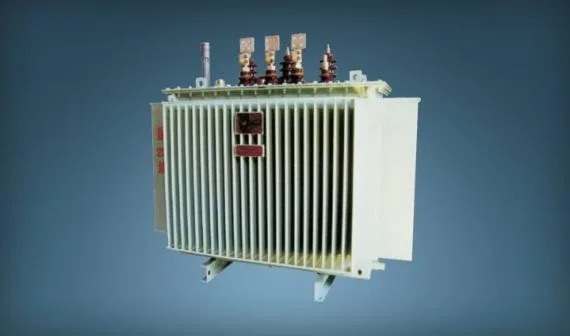
Conservator vs hermetic tank is visible in the photos: S9-35kV still carries the oil conservator; S11-M and later use sealed corrugated tanks.
Obsolete
S9-35kV
High energy loss. Forbidden on new greenfield projects. Keep only as a replacement reference for old 35 kV networks.
Obsolete
S9-M
Oil isolated from air. High loss — use only as a spare in existing old networks.
Legacy standard
S11-M
No-load loss about 30% below S9. Default outdoor / budget pick for new 11 kV feeders.
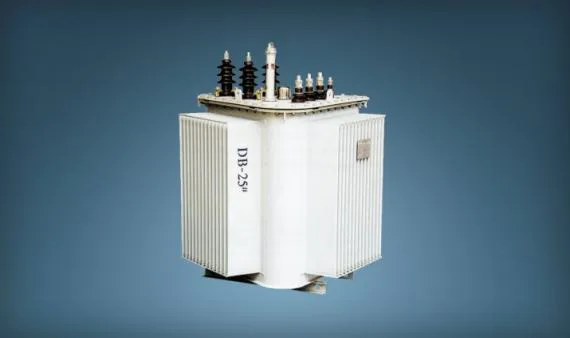
High efficiency
S13-M.RL
Jointless silicon-steel strip, symmetrical 3-phase path. About 25% lower no-load loss than S11, quieter running.
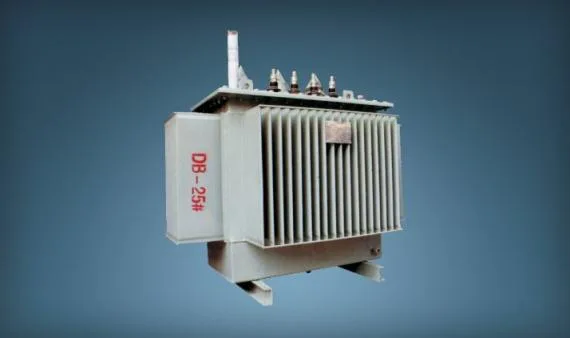
Premium eco
S(B)H15
No-load loss 70–80% below S11. Best where night load is low: malls, schools, campuses.
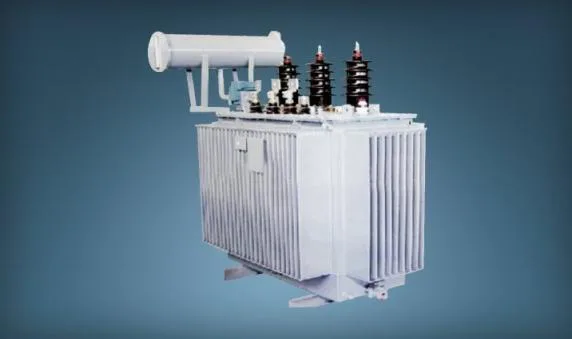
Substation main
S11-35kV
Larger than distribution units. Step-down primary for 35 kV regional or industrial substations.
Dry-type transformers
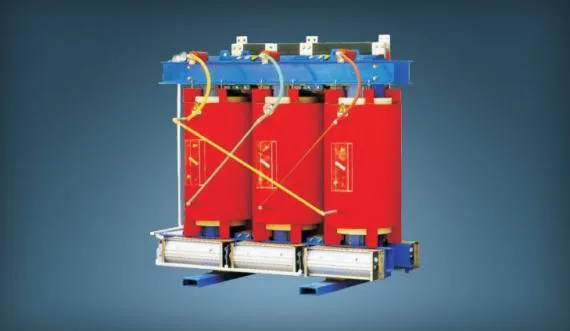
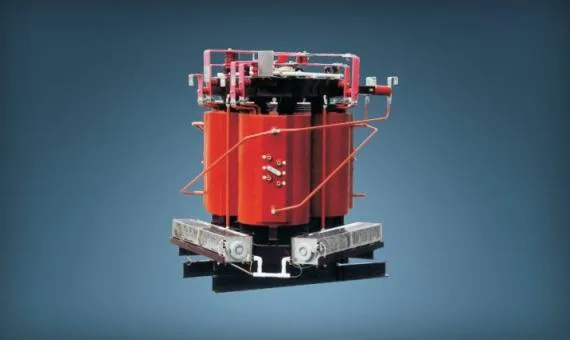
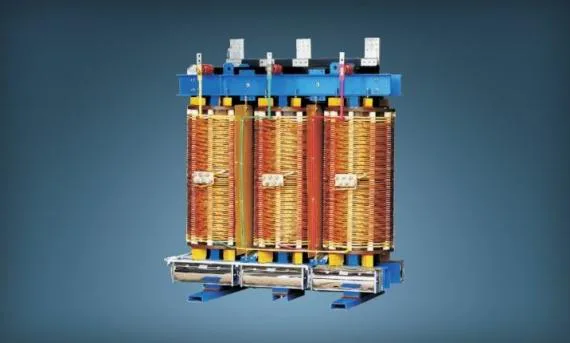
Cast-resin units show the red epoxy coils; SGB(H)10 is the open-ventilated copper/NOMEX stack without encapsulation.
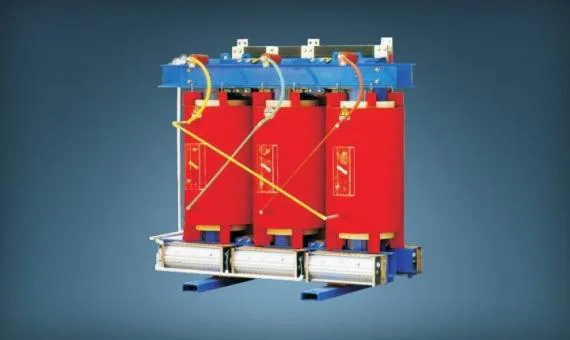
Standard indoor
SC(B)10 · 6–10 kV
Most common indoor substation dry-type. Moisture, dust and crack resistant.
HV indoor entry
SC(B)10 · 35 kV
Indoor 35 kV grid step-down with robust insulation barriers.
Quiet / eco
SCB13-M.RL
Cuts the buzzing typical of older dry-types. Residential buildings and hospitals.
180°C / recyclable
SGB(H)10
Varnish instead of resin. Heavy industrial ambient, fully recyclable, no toxic gas on fault.
Low-voltage switchgear ≤ AC 1000 V
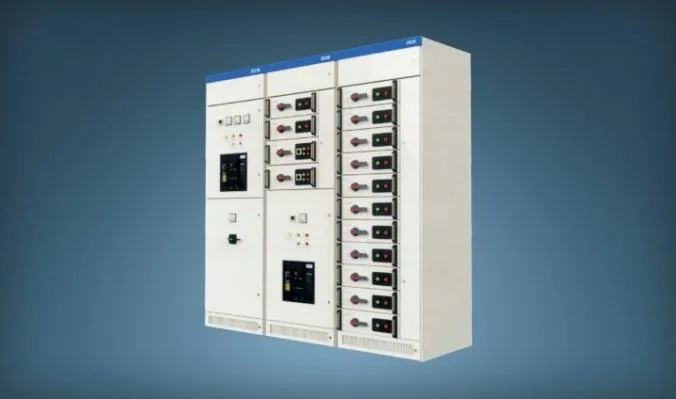
Drawer count and busbar location are the visual tell: GCS/MNS are dense withdrawable stacks; GGD is a simpler fixed panel; XL-21 is a compact terminal box.
Withdrawable
GCS
High breaking capacity, modular drawers, finer space utilization. Mid-to-high spec LV rooms.
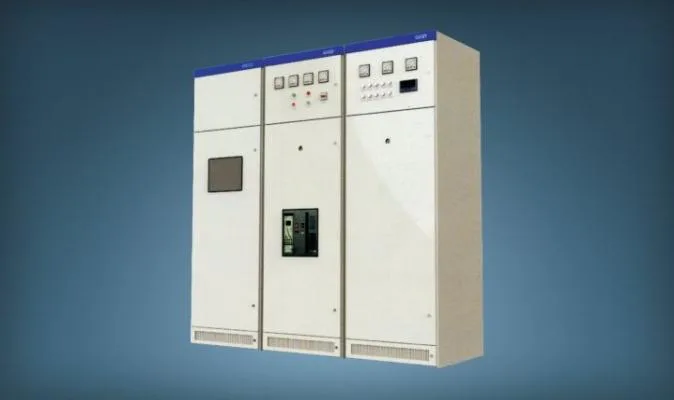
Fixed · lowest cost
GGD
A fault often means a full-cabinet shutdown. Use where continuity is not critical.
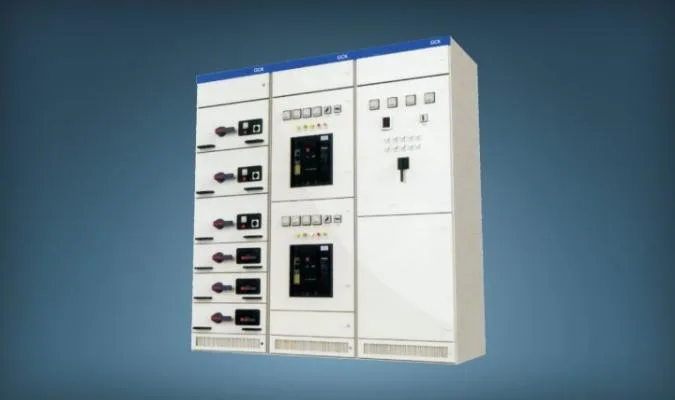
Early drawer design
GGK
Independent drawers, basic compartmentalization. Older generation of LV withdrawable gear.
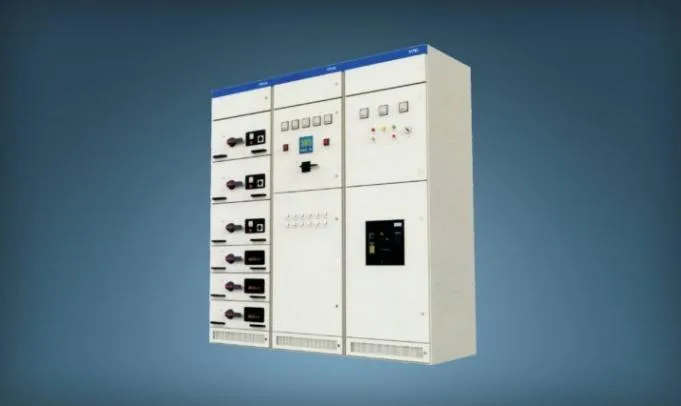
Highest spec
MNS
ABB-derived isolation and density. Hospitals and data centers. Highest manufacturing cost.
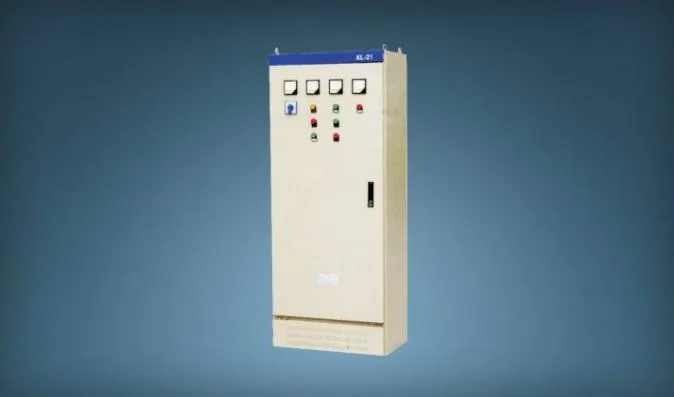
Terminal box
XL-21
Secondary distribution at the workshop — not a mid-set HV cubicle.
MV/HV ring main units and mid-set switchgear
HXGN cabinets are compact RMUs; KYN28 / KYN61 are armored mid-set cubicles with a withdrawable breaker truck.
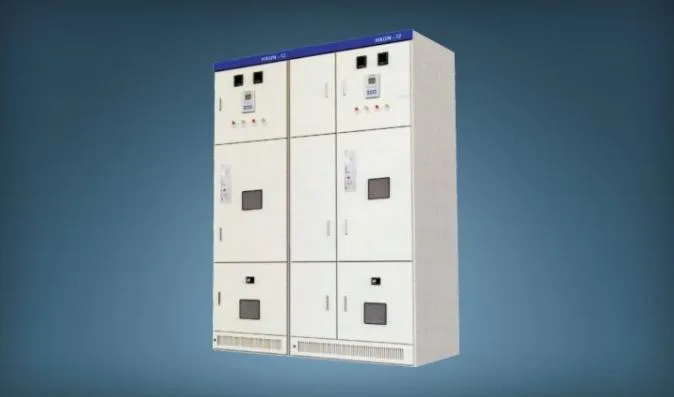
Air RMU
HXGN-12
Compact, low cost. Incoming and outgoing control in ring networks or terminal substations.
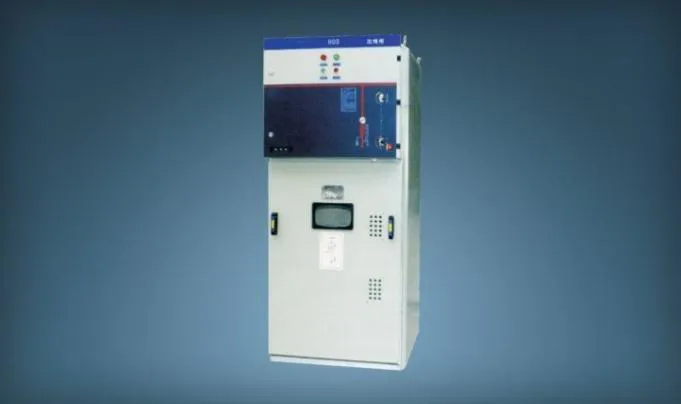
SF6 RMU
HXGN15-12
Smaller, better moisture and dust resistance. Urban cable networks and residential stations.
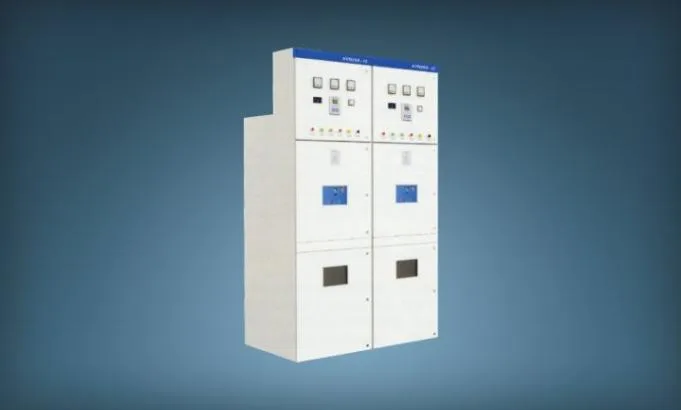
12 kV mid-set
KYN28A-12
Mainstream 10/11 kV substation and industrial incoming cabinet.
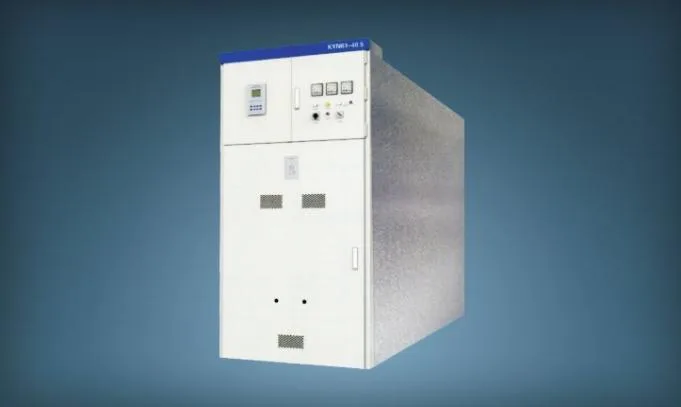
40.5 kV mid-set
KYN61-40.5
35 kV systems need more electrical distance — cabinet and components are physically larger.
Cable branch box vs compact substations
If the photo has no transformer, it is only a cable tap. European type is three rooms; American type is one oil tank with elbow connectors.
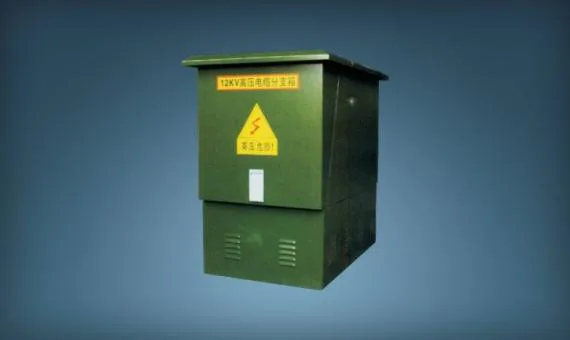
No transformer
12 kV cable branch box
Split or joint 10/12 kV cables only. Do not use it if you need to step voltage down.
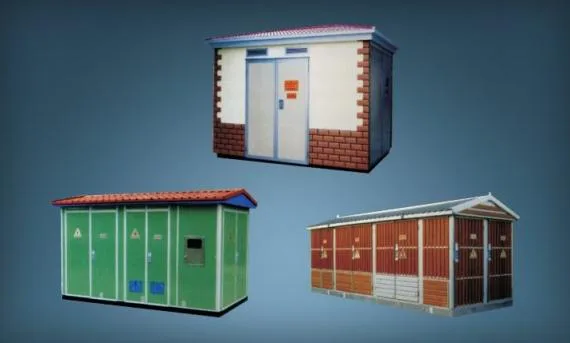
Independent rooms
European prefabricated substation
H or L layout, standard oil or dry transformer. Residential, hotels, hospitals, streets.
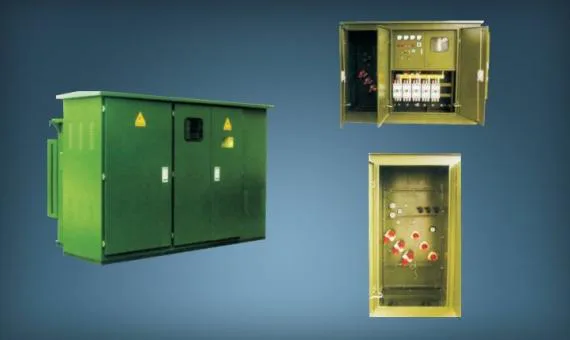
Integrated oil tank
American prefabricated substation
Smaller footprint and lower cost. Common on solar/wind plants, parks and construction sites.
Selection FAQ
Long-tail answers for outdoor budget sites, indoor fire codes, amorphous alloy, and compact substations.
Which oil-immersed transformer should I specify for an outdoor budget project?
Recommend S11-M as the basic hermetically sealed distribution transformer, or S13-M.RL for energy saving. S9 and S9-M are obsolete and should not be used in new greenfield projects.
When should I choose an amorphous alloy transformer instead of S11?
Choose S(B)H15 amorphous alloy for extreme green or low night-load sites such as malls and schools. No-load loss is typically 70–80% lower than S11.
Is a dry-type transformer mandatory for indoor commercial buildings?
For commercial interiors, high-rises and residential blocks, dry-type is usually mandatory for fire-safety codes. Specify SC(B)10 for standard indoor substations, or SCB13-M.RL where low noise is required.
Which dry-type transformer is best for heavy industrial high-ambient sites?
Recommend SGB(H)10 open-ventilated H-class NOMEX dry-type. It tolerates 180°C and is intended for heavy-load industrial plants.
Should I choose a European or American prefabricated substation?
Choose a European prefabricated substation for independent HV/transformer/LV rooms and optional dry-type transformers. Choose an American pad-mounted unit when footprint and budget are tight, or for solar and wind plants.
When is a 12kV cable branch box enough instead of a compact substation?
Use a 12kV cable branch box only to tap or joint HV cables. It has no transformer. If you need transformation, specify a European or American prefabricated substation.
Need a project-specific recommendation?
Send voltage, kVA, indoor/outdoor, and country — our engineers will confirm series, accessories, and certification for Nigeria, Kenya, South Africa, and nearby markets.
Contact Us