2×1000 kVA Box Substations + Charging Piles
YINMA Equipment and Installation Guidance for a Building-Materials Park
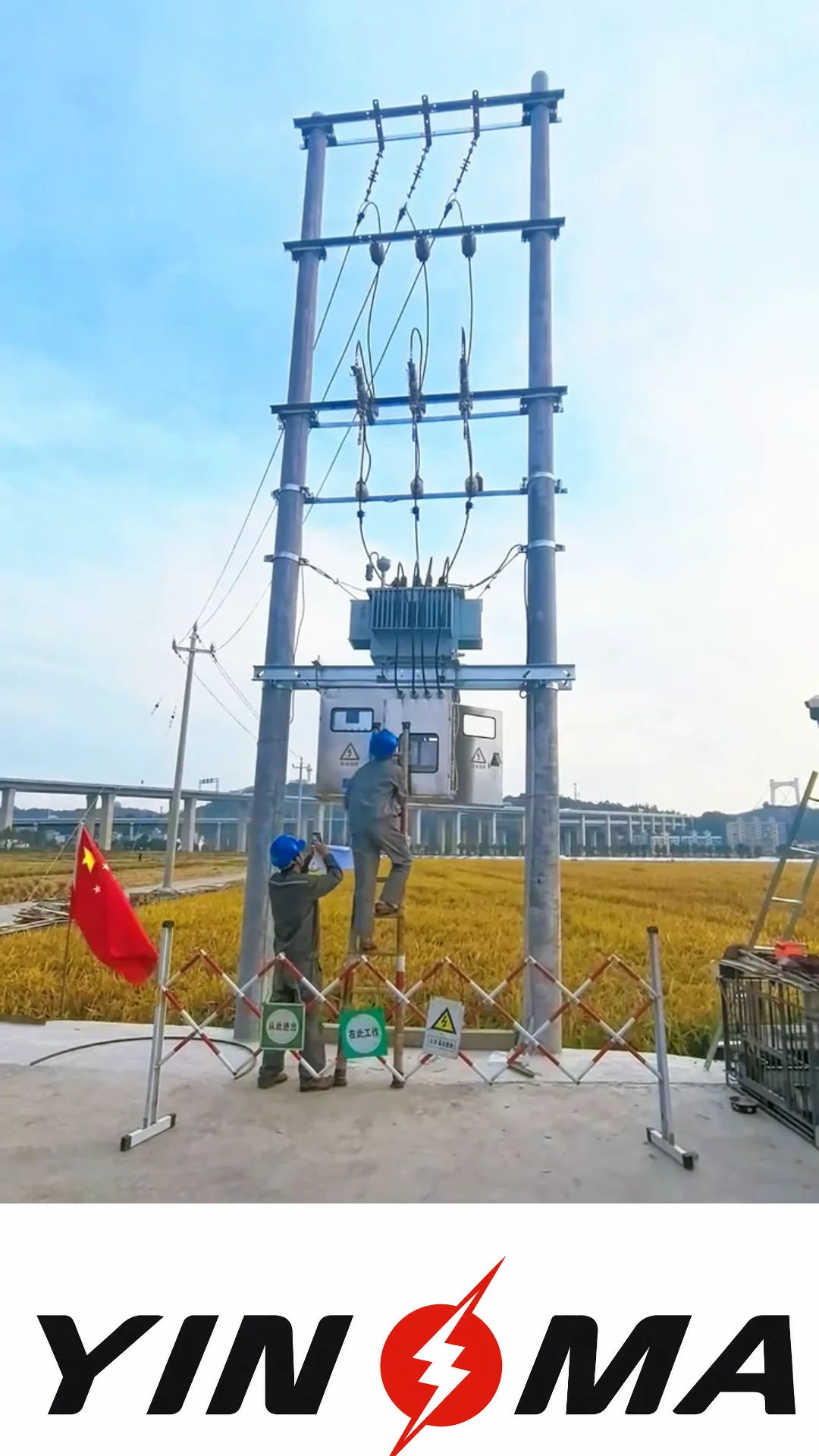
YINMA supplied two 1000 kVA-class box substations and guided the interface to the charging equipment. The contractor built two foundations and cable wells, and carried out the trenchless cable route.
Two Box Substations, One Charging Demand
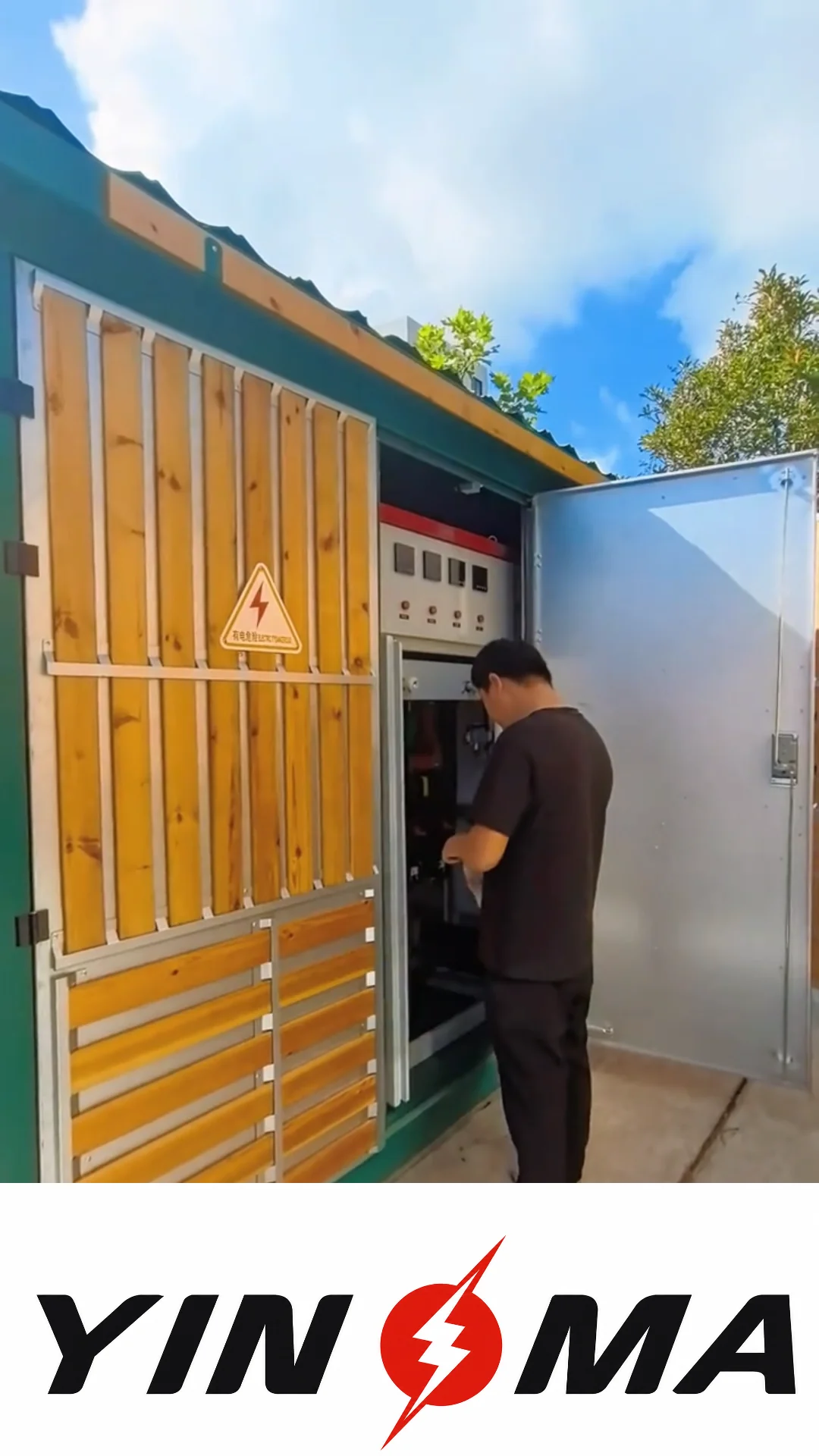
A building-materials park needed power for a charging area. The scheme uses two 1000 kVA-class box substations, two foundations and two cable wells, with a trenchless cable route.
The site is a building-materials park in Taizhou. Charging demand is being added in phases, so the project uses two 1000 kVA-class box substations rather than one large unit: loads can be split between the two, a fault in one does not take out the whole charging area, and future piles can be added to the substation with spare capacity.
The two substations sit on separate concrete foundations, each with a cable well. The cable route is trenchless, avoiding a long open cut across the park. YINMA supplied the two box substations and guided the equipment-side installation; foundations, wells, trenchless work and cable laying were carried out by the contractor.
Who Did What
Equipment and installation guidance from YINMA; civil works, foundations, cable wells and trenchless cable route from the contractor.
| Scope | YINMA Electric | Contractor |
|---|---|---|
| Equipment | Two 1000 kVA-class box substations | — |
| Installation | Guidance: foundation checks, cable entry, earthing, ventilation, pre-energization | Foundations, cable wells, trenchless route, cable laying |
| Charging interface | Guidance on LV feeder and protection interface to the charging equipment | Charging pile installation and connection |
YINMA's role is to make sure the two box substations are landed, connected and checked correctly before they feed the charging area.
Six Checks for a Two-Substation Charging Project
Points checked on site before the charging area was energised.
Two Foundations, One Level
Check elevation, flatness and embedded parts on both foundations. A height difference makes cable termination and future maintenance harder.
Drainage and Cable Wells
Cable wells must drain and align with the substation cable entry. Standing water is the most common long-term problem in outdoor charging sites.
Trenchless Cable Entry
Check bend radius, pulling tension and sealing at the duct entry. Cable damage during pulling may only show up months later.
Ventilation and Clearance
Keep the ventilation path clear and leave enough space for door opening and maintenance on both substations.
Earthing and Neutral
Check enclosure earthing, neutral earthing and cable shield bonding. Charging loads are sensitive to poor earthing.
Before Energization
Insulation, phase sequence, protection settings and interlock checks before the first charging session.
From Foundations to Charging Cabinets
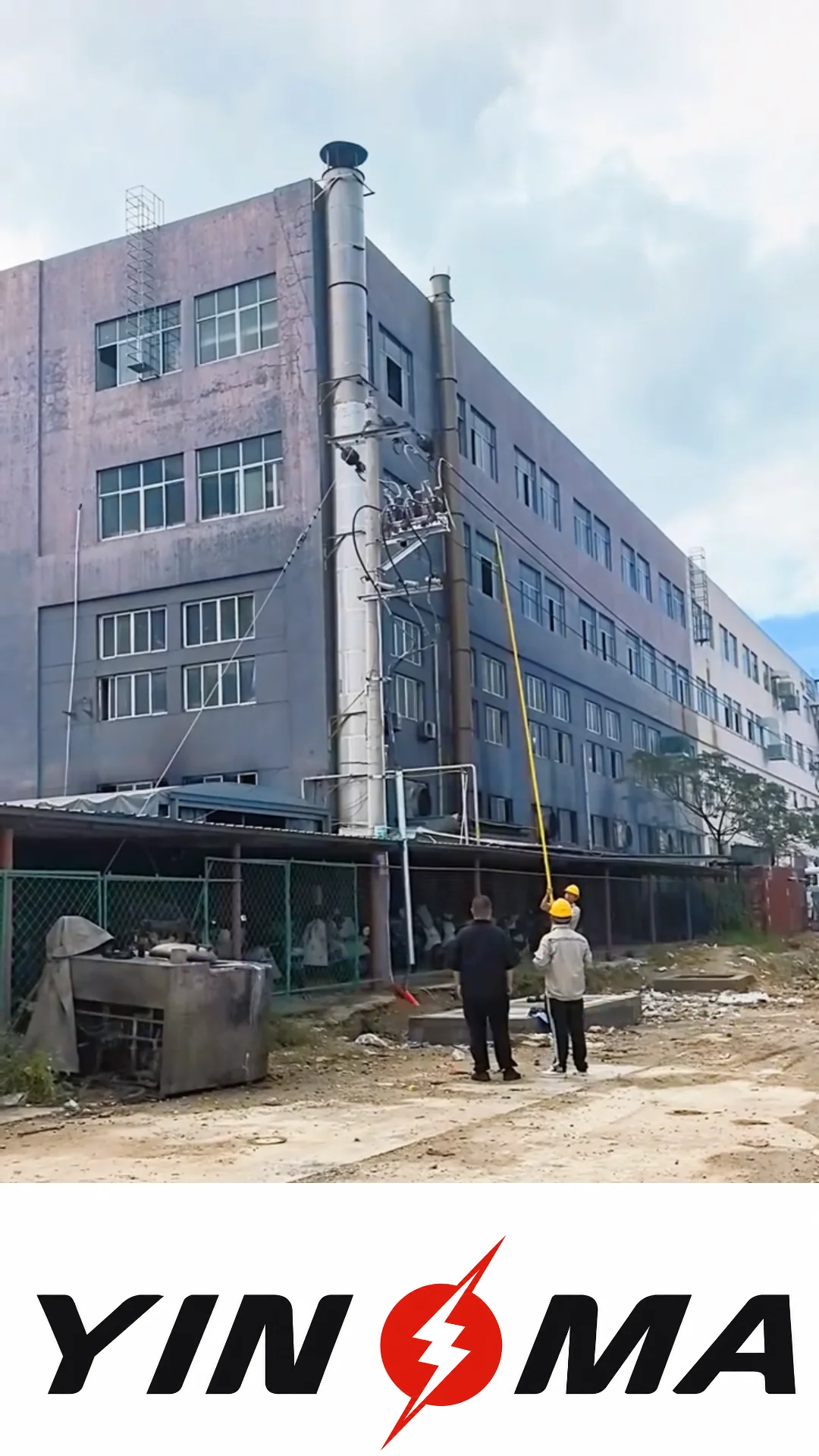
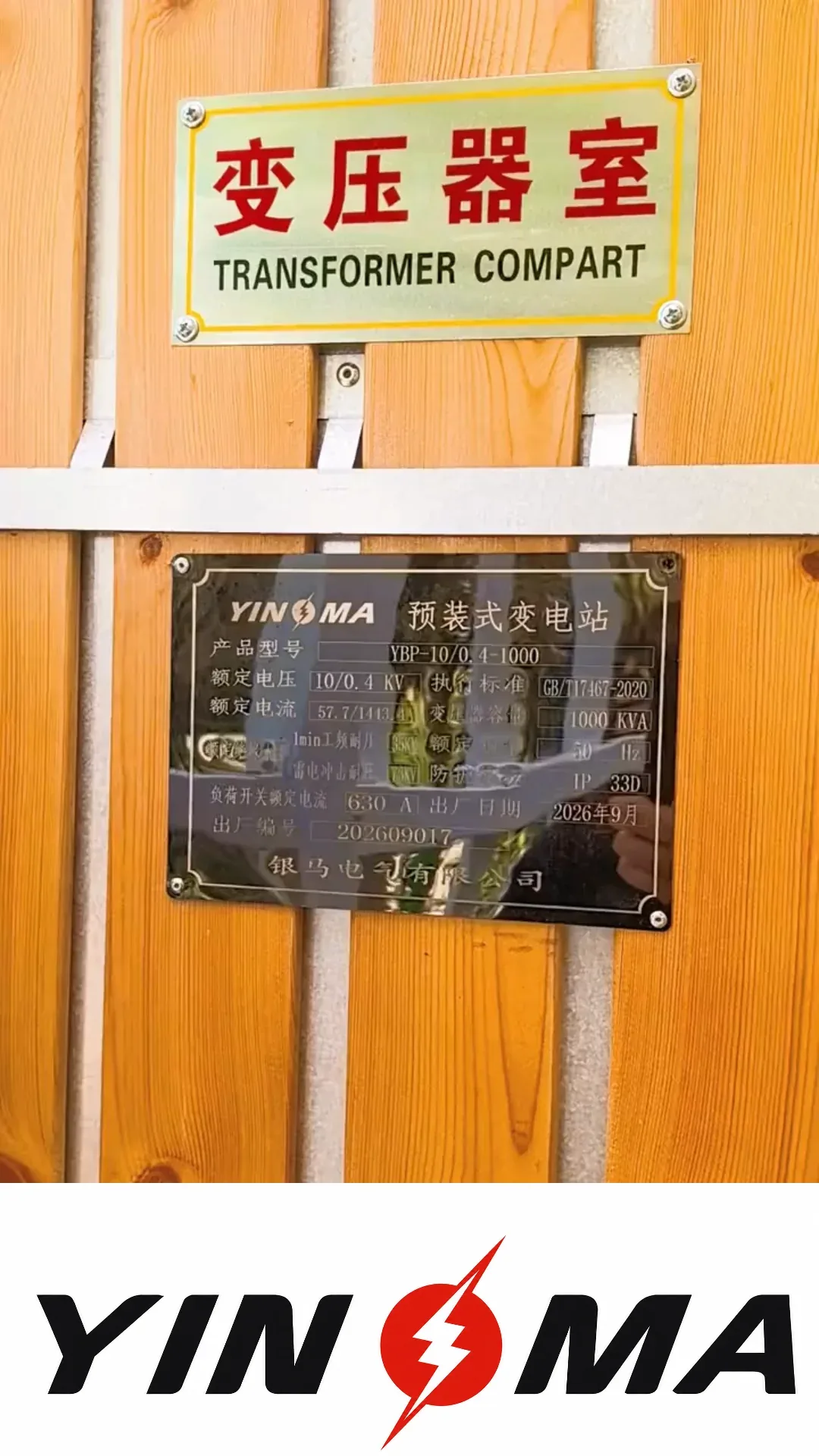
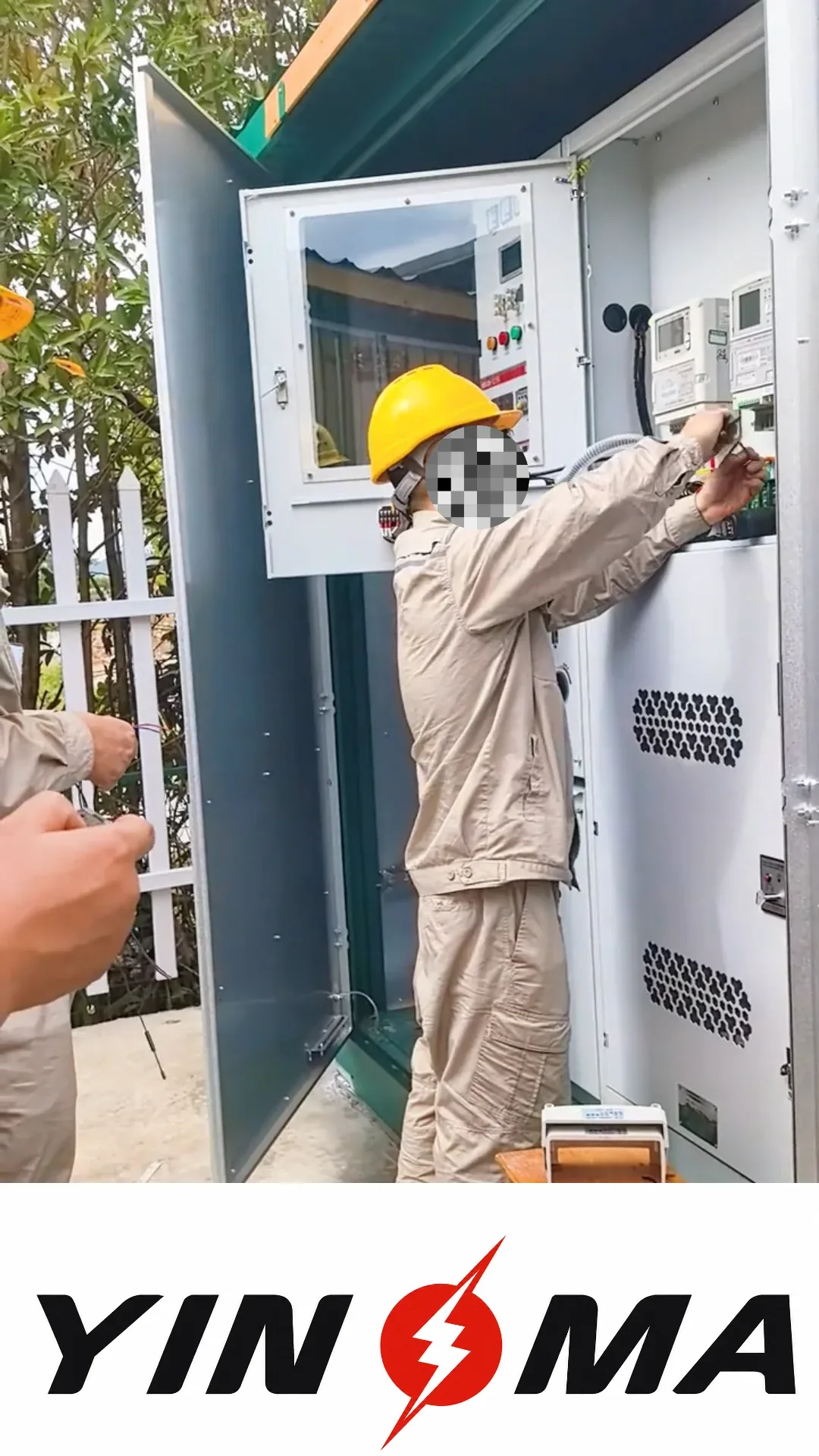
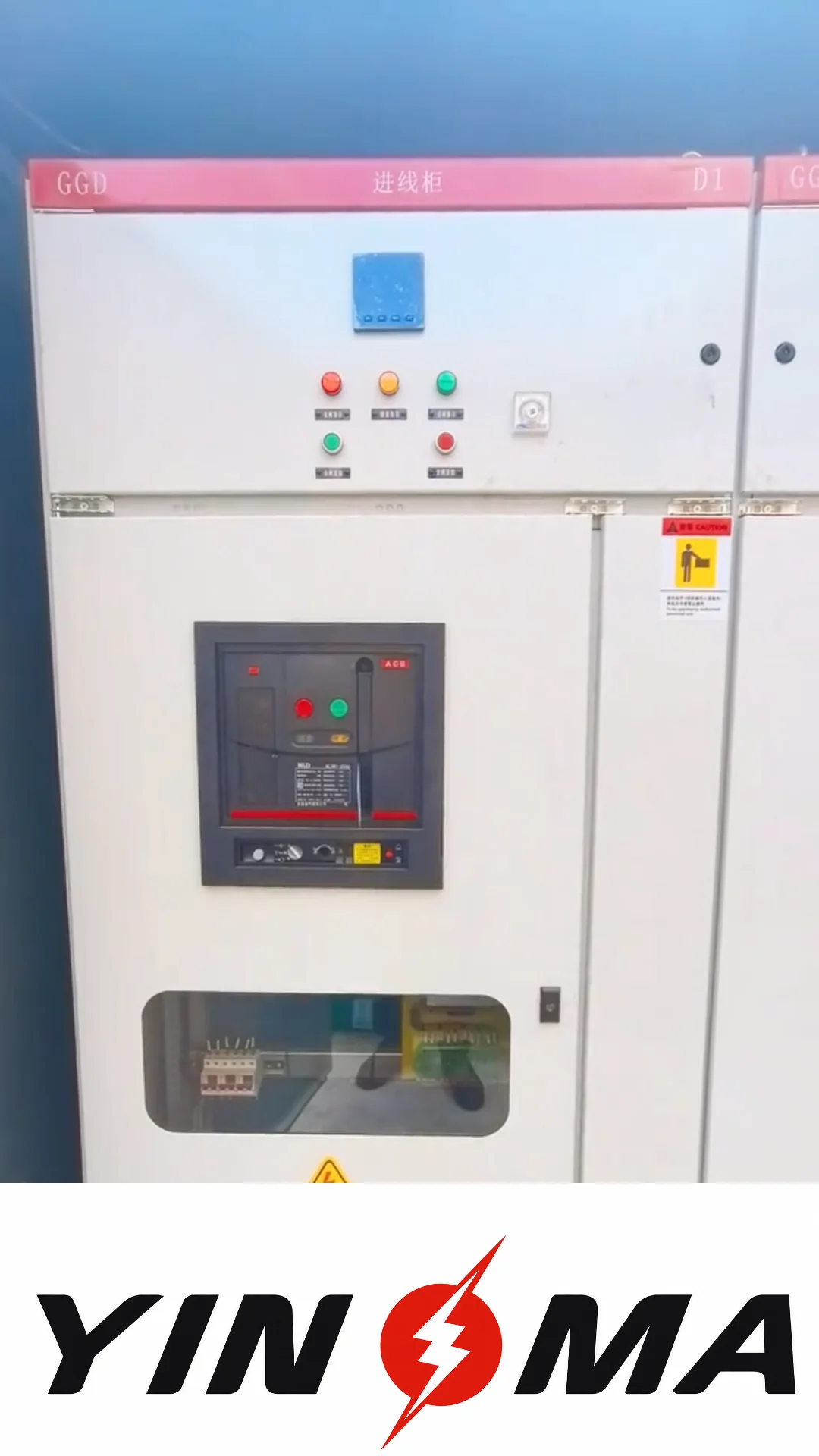
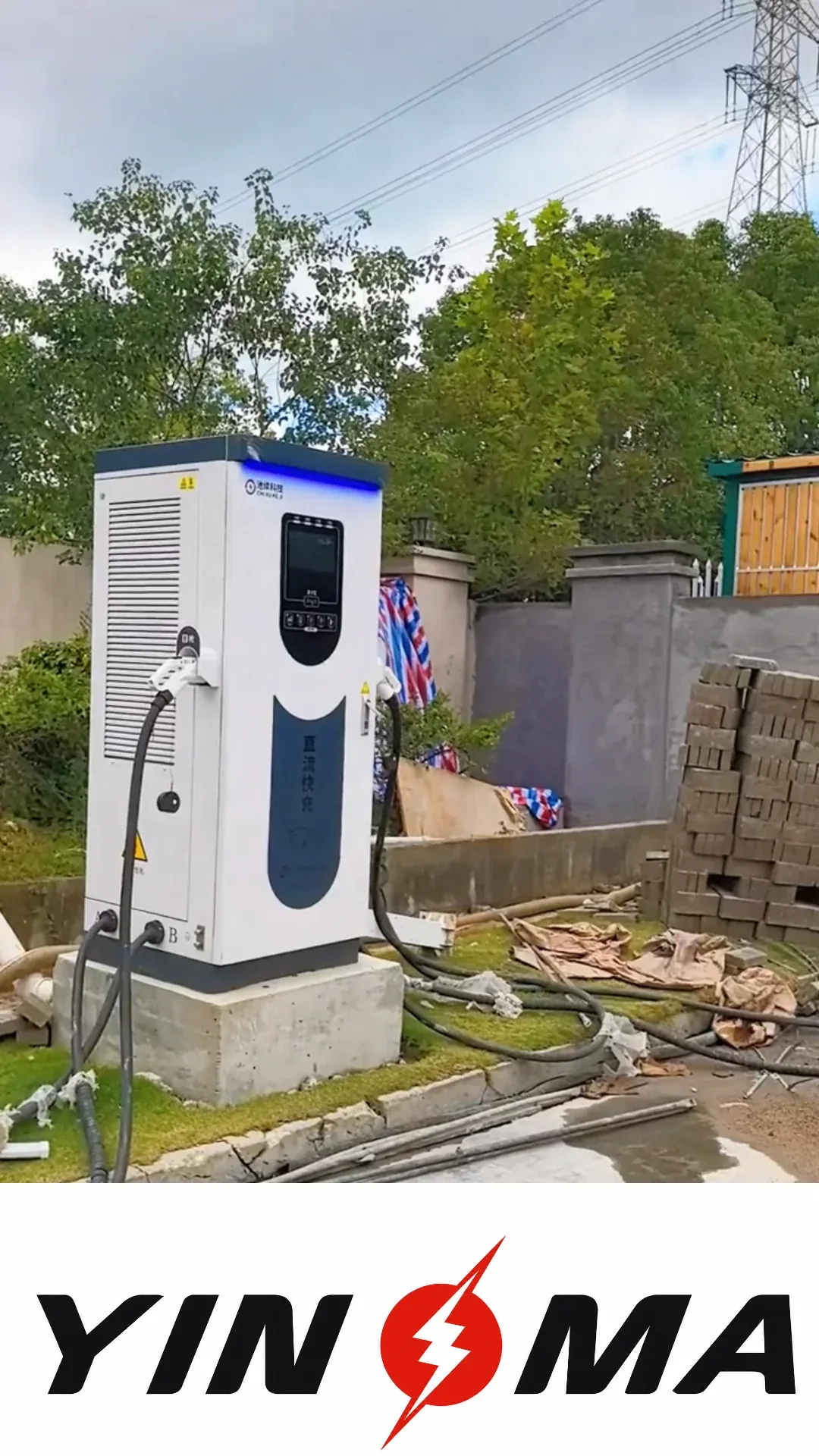
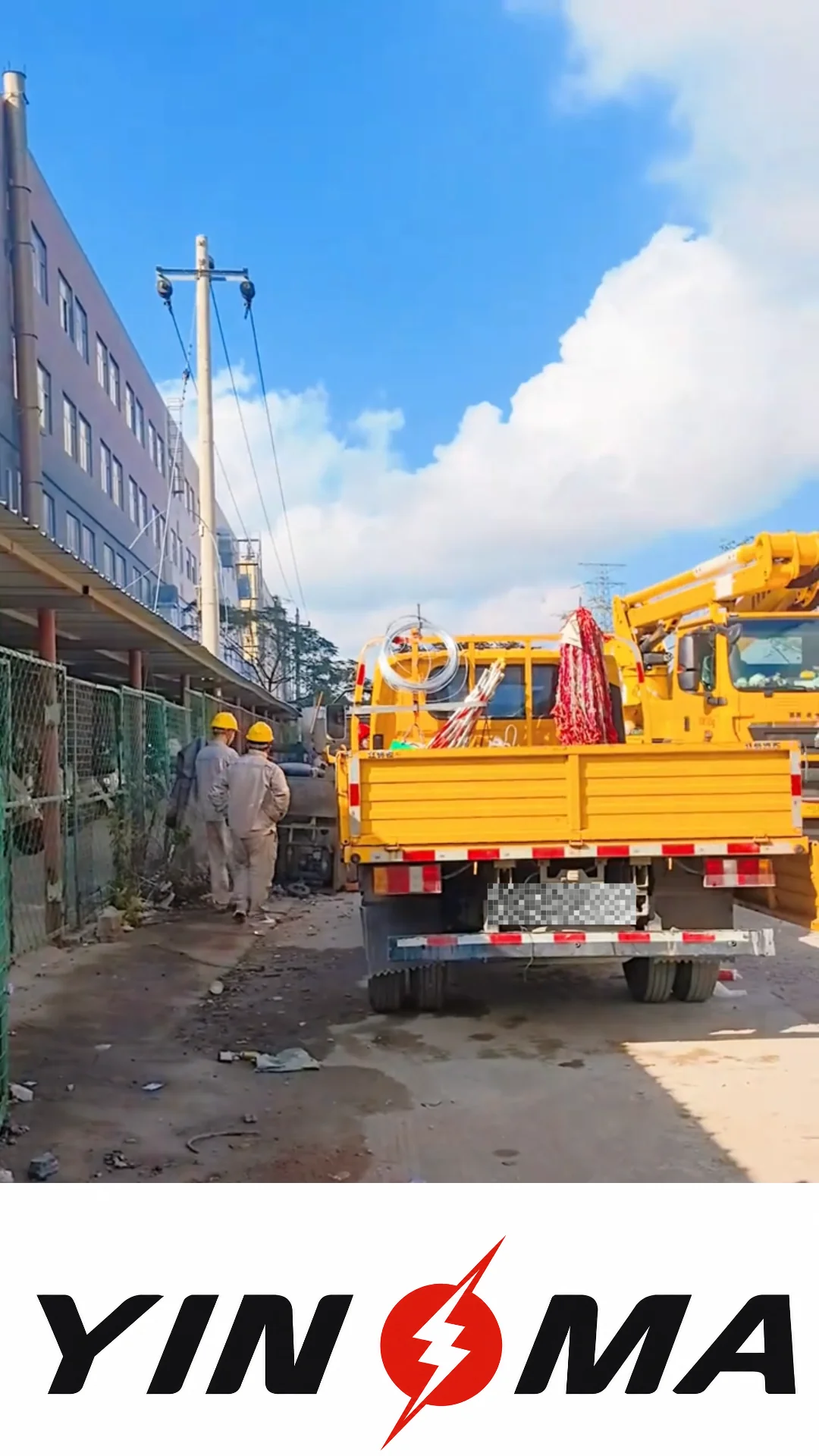
Photos follow the site sequence: cable trench, foundations, cabinet placement, cable termination and charging equipment.
What African Industrial and Logistics Parks Can Reuse
Phased charging demand, limited road access and hot, dusty sites are common in African industrial parks.
1. Phased Charging Loads
Start with a few chargers and add later. Two 1000 kVA-class substations let the park split the load and expand without replacing the whole power centre.
2. No Long Road Cuts
Trenchless cable routes reduce disruption in operating industrial parks. The cable wells and duct entries must be planned with the substation foundations.
3. Heat, Dust and Drainage
Outdoor charging cabinets need clear ventilation, filtered air paths and foundations that drain. In African rainy seasons, a poorly drained cable well becomes a fault point.
For African EPCs and park developers, the practical lesson is to design the charging area as a power project — foundations, cable route, earthing and protection — not as a set of standalone chargers.
Box Substations and Charging Interfaces
YINMA supports industrial parks, logistics hubs and charging areas with box substations and equipment-side guidance.
- Two 1000 kVA-class box substations, supplied as a package;
- Load-split advice for two-substation charging areas;
- Guidance on foundation, cable entry and cable-well interfaces;
- Pre-energization checks with the contractor and charging operator.
YINMA supplies the box substations and guides installation. Foundations, cable wells, trenchless work and cable laying remain with the contractor.
For box substation options, see compact substations. For load and configuration, see the transformer selection guide. To discuss a charging-area design, contact YINMA. For an 11-charger heavy truck site, see the Yueqing charger case.
Common Questions
Q: Do the two 1000 kVA substations have to be paralleled?
A: Not necessarily. They can run separately or with a bus-tie, depending on load priority and metering. Decide the load split first, then the operating mode.
Q: Why does each box substation need a cable well?
A: For cable entry, inspection and drainage. The well should align with the duct and the substation cable entry so the cable does not bend sharply.
Q: Does YINMA build the foundations or the trenchless route?
A: No. YINMA supplies the box substations and guides installation; foundations, wells, trenchless work and cable laying are carried out by the contractor.
Charging Areas Need a Power Design, Not Just Chargers
YINMA Box Substations for Industrial Parks
From a single box substation to a two-substation charging area, YINMA supports industrial parks and logistics hubs with equipment and installation guidance. Send us your load list and site plan.