11-Span Overhead Line + 250 kVA Pole Transformer
YINMA Equipment and Installation Guidance for an Agricultural Park
YINMA supplied a 250 kVA-class pole-mounted transformer and a pole-top JP cabinet. The contractor carried out pole erection and overhead line work; YINMA guided the equipment installation and pre-energization checks.
Getting Power to the Field, Not Just to a Transformer
Agricultural loads are scattered. The project needed an 11-span overhead line to reach field load points, with a 250 kVA-class pole transformer and a pole-top JP cabinet at the end.
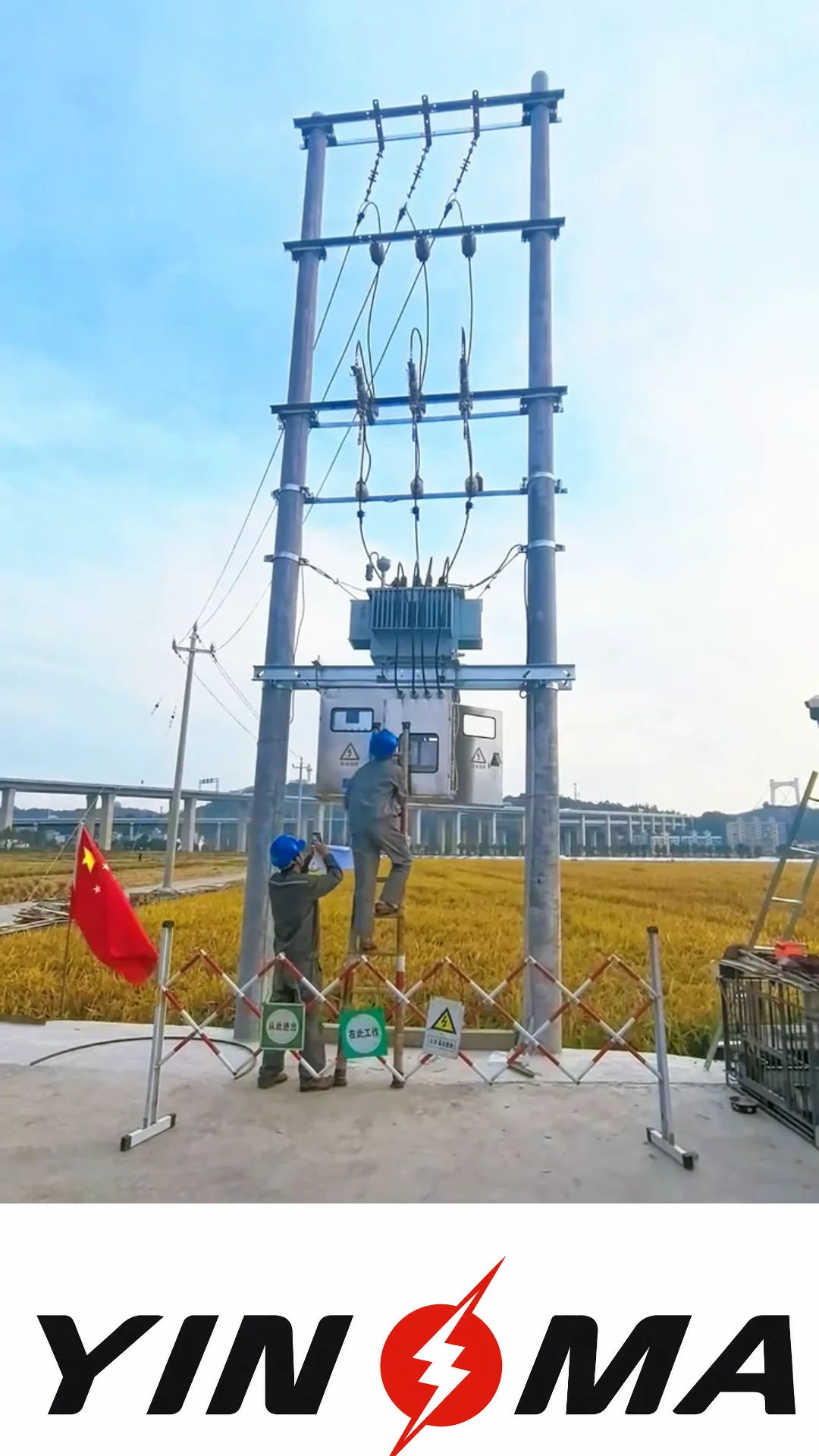
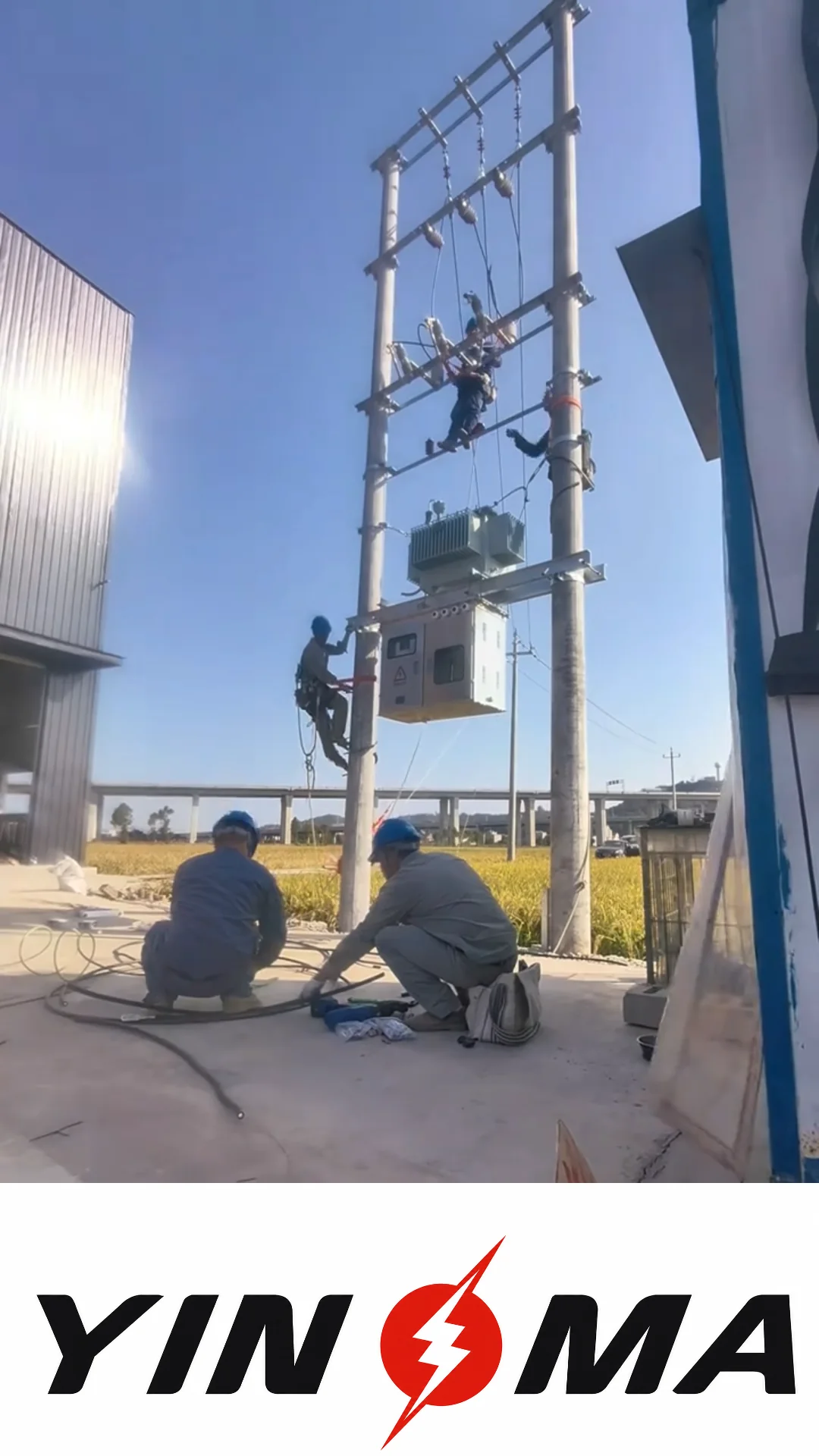
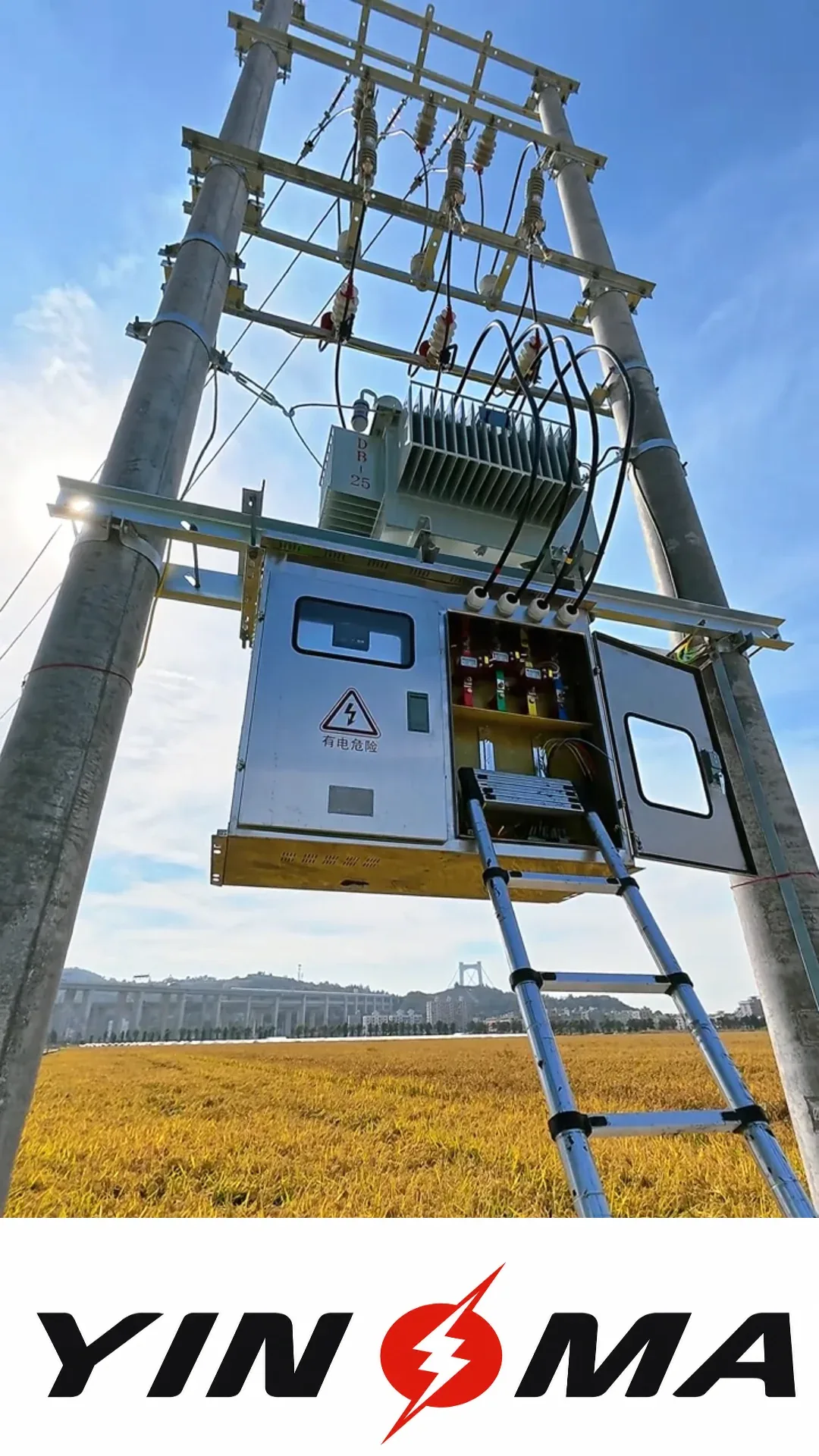
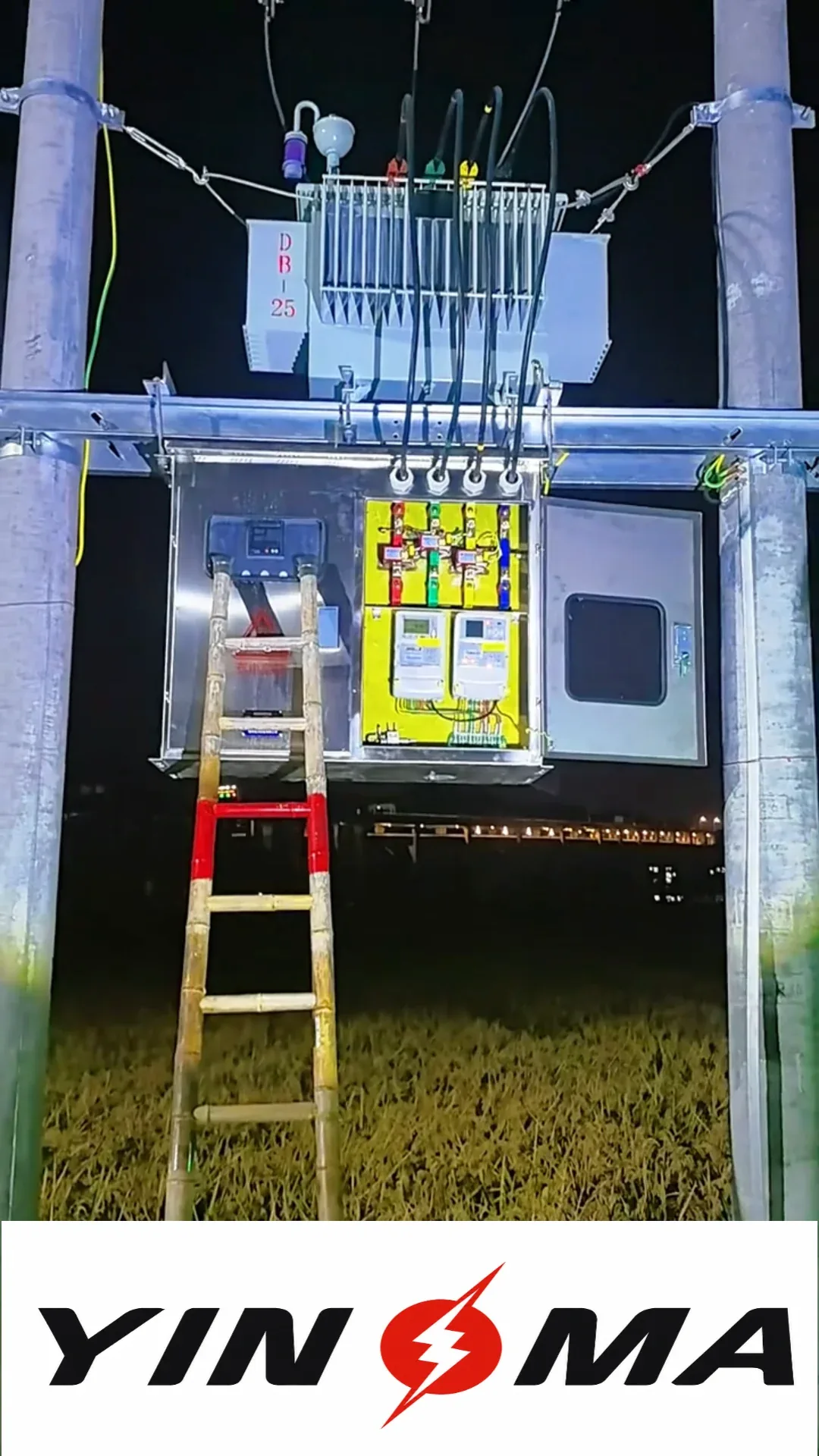
The site is an agricultural park in Zhejiang. Loads are spread across fields, so a pole-mounted transformer was a better fit than a box substation: smaller footprint, lower cost, and easier to serve scattered points. The line was built in 11 spans, ending at a double-pole platform that carries the transformer and JP cabinet.
A pole installation looks simple, but the interface points are where projects go wrong: the two poles must be aligned and at the same level; the transformer platform must be horizontal; HV lead clearance and phase sequence must be checked; the JP cabinet must be mounted at a workable height; and earthing and lightning protection must be complete before energization.
Who Did What
YINMA supplied the equipment and guided installation. Civil works, pole erection and overhead line construction were carried out by the contractor.
| Scope | YINMA Electric | Contractor |
|---|---|---|
| Equipment | 250 kVA-class pole transformer, pole-top JP cabinet | — |
| Installation | On-site guidance: platform, HV leads, JP cabinet, earthing, pre-energization checks | Pole erection, overhead line, civil works |
| Testing | Witness and check equipment before energization | Site withstand and insulation tests |
YINMA's role was not to replace the construction crew. It was to make sure the transformer and JP cabinet were installed correctly, connected correctly, and checked before the line was energized.
Six Checks That Matter on a Pole Installation
These are the points YINMA's technicians focused on during the site visit.
Double-Pole Alignment
Check spacing, level and burial depth of the two poles. Uneven poles put uneven load on the transformer platform and JP cabinet.
Platform and Transformer Fixing
The transformer platform must be horizontal and the transformer securely fixed. Vibration and wind load should not loosen the mounting.
HV Leads and Phase Sequence
Check HV lead clearance, insulation distance and phase sequence before connecting. A phase error is easier to fix now than after energization.
JP Cabinet Mounting
The pole-top JP cabinet must be at a height that allows door opening and operation. Cable entry, sealing and drainage should be checked.
Earthing and Lightning Protection
Verify the earth down-lead, earth electrode and surge protection. In open farmland, lightning exposure is higher than in built-up areas.
Pre-Energization Checks
Insulation resistance, withstand test, visual inspection and phase sequence check before closing the switch.
From Pole Erection to Energization
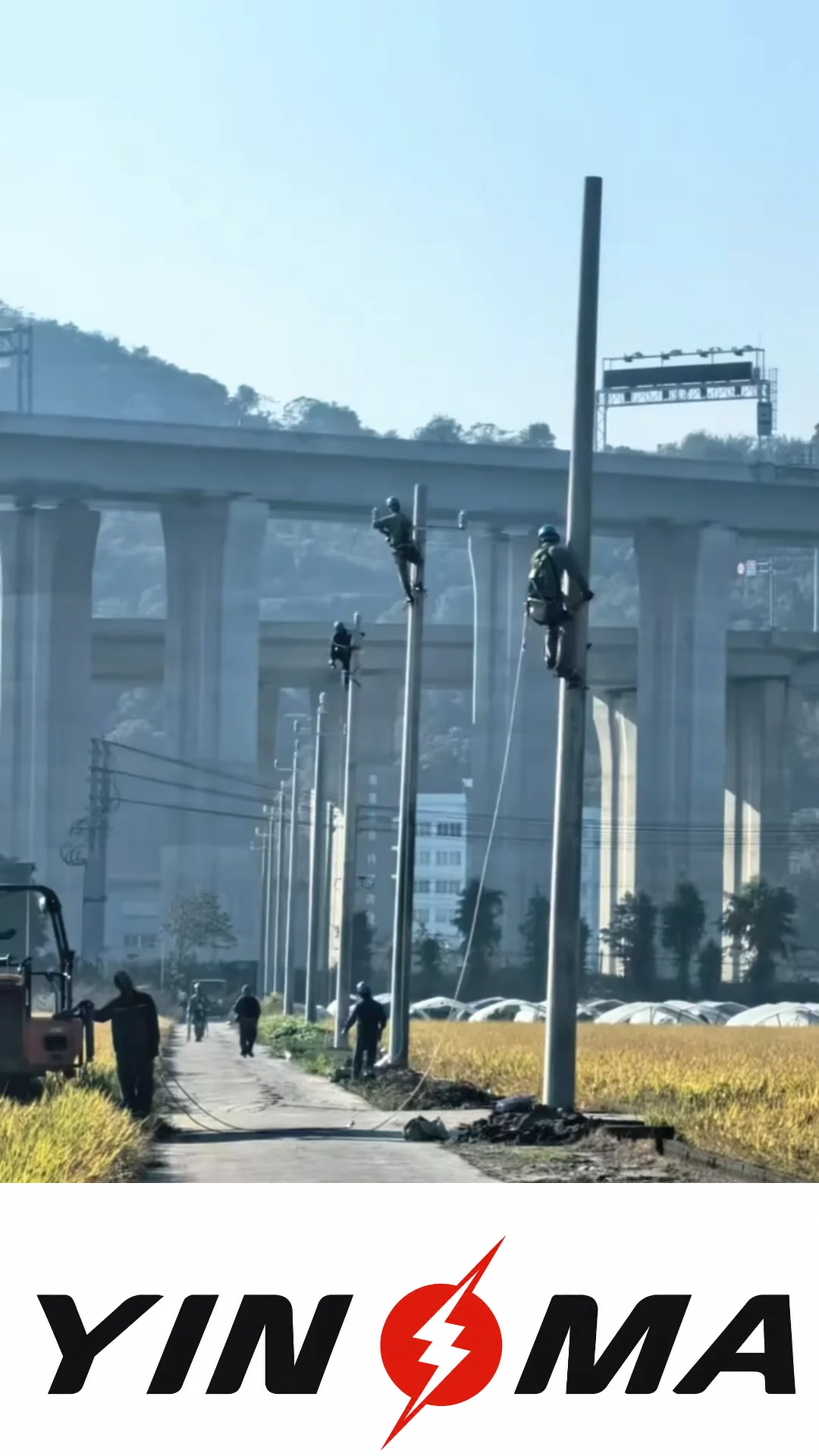
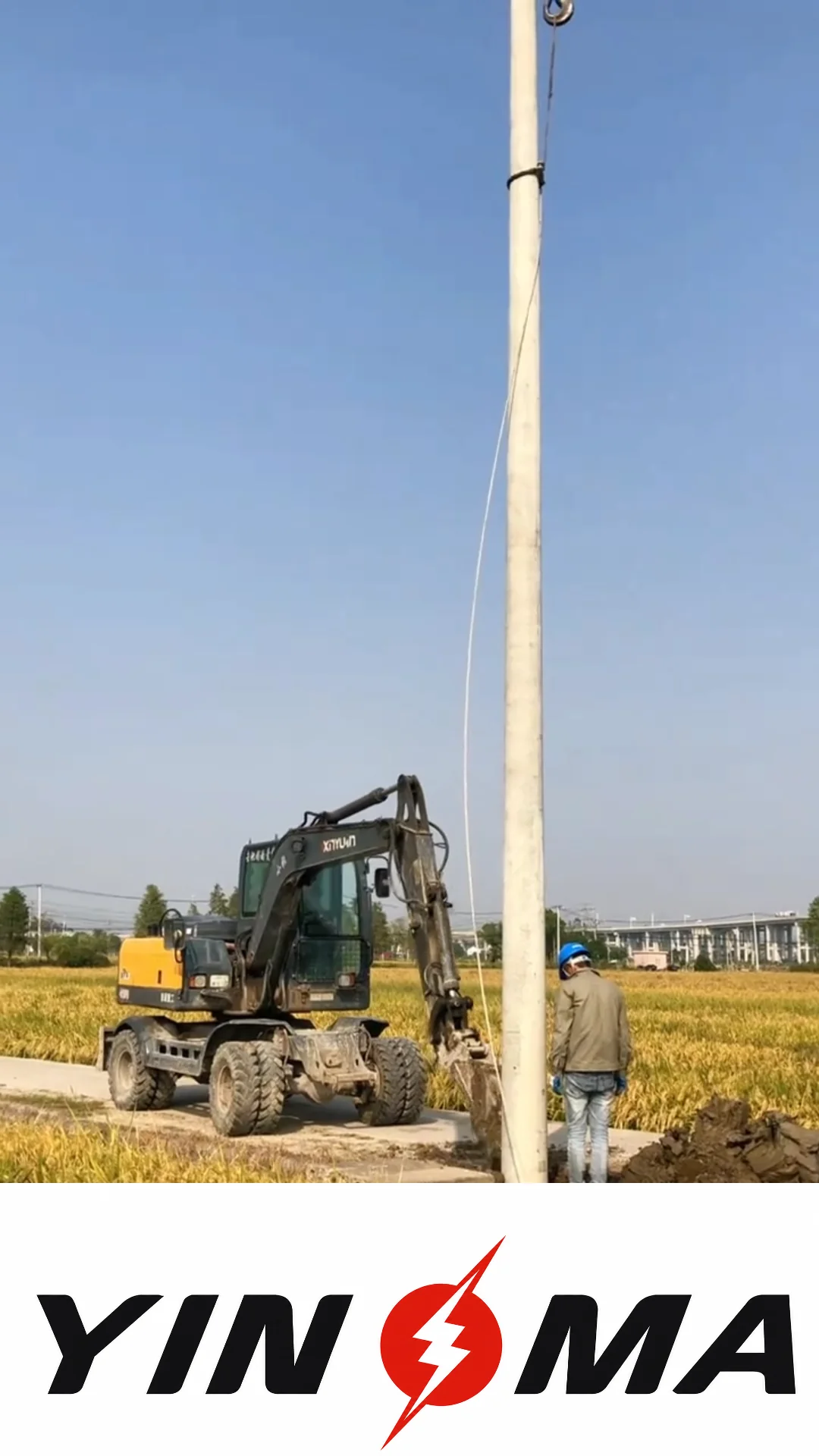
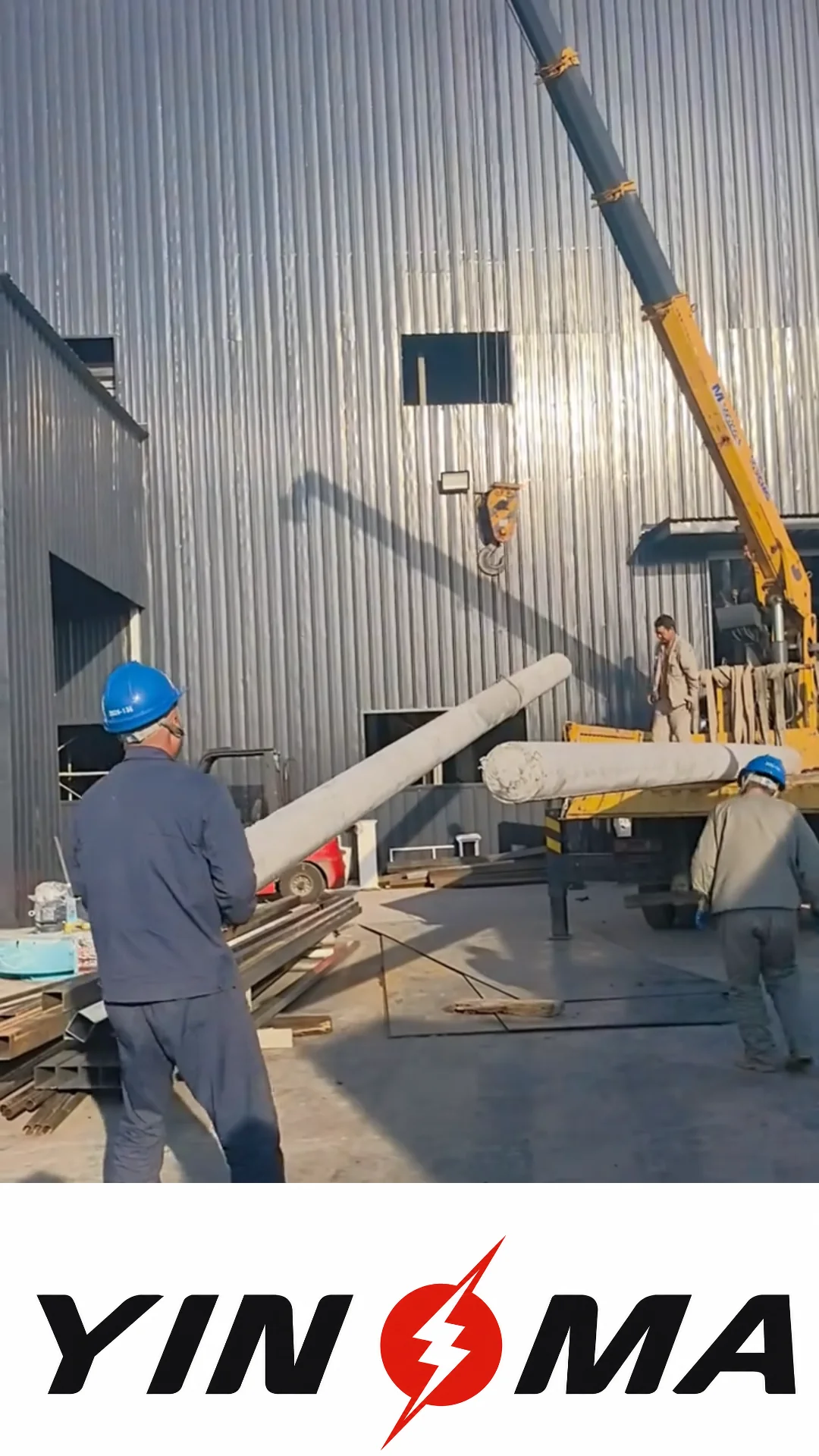
The photos below follow the site sequence: pole erection, transformer lifting, JP cabinet installation and pre-energization testing.
Why This Matters for African Rural Electrification
The same constraints appear in African agricultural and rural projects: scattered loads, long lines, limited maintenance access and high lightning exposure.
1. Scattered Loads, Long Lines
African farms, irrigation pumps and rural clusters are often far from the nearest transformer. A pole-mounted transformer and overhead line can reach them at lower cost than a box substation.
2. Heat, Dust and Lightning
Open farmland offers little shielding. Earthing, surge protection and JP cabinet sealing need more margin than in a typical domestic project.
3. Local Maintenance
Standard pole hardware and a JP cabinet with accessible breakers and metering make local maintenance easier than a custom enclosure.
For African EPCs and utilities, the practical takeaway is simple: the equipment must be selected for the line, and the installation checks must be completed before energization — not after the first storm.
Equipment and Guidance for Pole-Mounted Projects
YINMA supports agricultural parks, irrigation loads and rural distribution projects with pole transformers and JP cabinets.
- 250 kVA-class pole transformer and pole-top JP cabinet supply;
- Equipment selection for 11-span-class overhead line projects;
- On-site installation guidance for platform, HV leads, JP cabinet and earthing;
- Pre-energization checks with the contractor and utility.
YINMA supplies the equipment and guides installation. Pole erection, overhead line construction and civil works remain with the contractor.
For pole transformer options, see oil-immersed distribution transformers. For sizing, see the selection guide. For a rural project, contact YINMA. For a hilly 50 m span, see the Qingtian 315 kVA case.
Common Questions
Q: Does the JP cabinet have to be pole-mounted?
A: Not necessarily. It can be pole-mounted or installed on a ground platform. Pole mounting saves space and reduces theft risk; a ground platform is easier to operate and cool. Follow local utility requirements.
Q: Why a double-pole platform at the end of the line?
A: The platform carries both the transformer and the JP cabinet. Two poles distribute the load better and provide more room for leads and maintenance. Pole spacing, guys and foundations must be designed for the line.
Q: Does YINMA erect poles and string lines?
A: No. YINMA supplies equipment and guides installation. Pole erection, line construction and civil works are carried out by the contractor.
Pole-Mounted Distribution for Rural Loads
YINMA Transformers and JP Cabinets
From a single pole transformer to a complete JP cabinet package, YINMA supports agricultural, irrigation and rural electrification projects. Contact us with your line route and load list.